
What To Check First
Definition
Fall Prevention Home Modifications For Seniors is a U.S.-focused Placiva planning resource for deciding which details, limits, and provider questions matter before a senior home safety quote request.
Summary
Common fall-prevention home modifications include clearing trip hazards, improving lighting, securing or removing rugs, checking handrails, adding stable bathroom support, using seating where appropriate, and fixing thresholds or entry steps. A provider request should separate household fixes from work that needs installation, wiring, plumbing, or structural review.
Key Facts
- Good for: Turning a broad safety concern into a clear request.
- Have ready: The daily route, trouble spots, photos, rough measurements, and timing.
- Next step: Choose the first useful improvement before expanding the scope.
- Use the page as planning support, not as a quote, inspection, medical decision, code decision, or provider verification.
- Source context includes AARP aging-in-place home checklist, CDC STEADI Check for Safety home checklist, NCOA home modifications for fall prevention.
- Variations and edge cases depend on the home layout, timing, local rules, product fit, and the person using the space.
Rules
- If the project affects health, transfer safety, structure, electrical work, plumbing, permits, or urgent access, then treat this page as preparation and get qualified local review.
- If photos, measurements, timing, or location are missing, then the next step is to collect details before comparing quotes.
- If a provider, sponsor, badge, directory label, or public-source listing appears, then verify license, insurance, warranty, contract, and local fit yourself.
Thresholds
| Condition | Threshold | Meaning |
|---|---|---|
| Clear-path fixes | Clutter, cords, rugs, furniture, and storage are the main hazards. | Make sure fixes do not create a new trip point or block assistive devices. |
| Lighting and visibility | Falls are more likely during night routes, stairs, and entry use. | Electrical work, switch placement, glare, and whether lighting reaches the whole route. |
| Bathroom support | The person reaches, slips, or needs help at the toilet, shower, or tub. | Wall anchoring, wet-area access, drainage, seat fit, and whether a remodel is really needed. |
| Stairs and entry access | Steps, porch transitions, or stairways block daily use. | Handrail length, rise, landing space, ramp feasibility, stairlift fit, and local requirements. |
Checklist
- Name the main route, room, support point, or project type that creates the daily problem.
- Collect wide photos, close-up photos, rough measurements, timeline, city and state, and any access limits.
- Separate quick fixes from quote-worthy work, then ask what could change after an in-home review.
- Avoid sending medical records, financial documents, Social Security numbers, passwords, or unnecessary private details.
Scenario
If two options seem possible, such as a ramp versus a stairlift or grab bars versus a larger bathroom change, then start with the daily movement problem, collect the basic measurements, and ask a qualified provider which variation fits the home before treating any range as a real quote.
Start with details a provider can use
You do not need a complete diagnosis. You need enough detail for a provider to understand your home, your timing, and what could change after an in-home review.
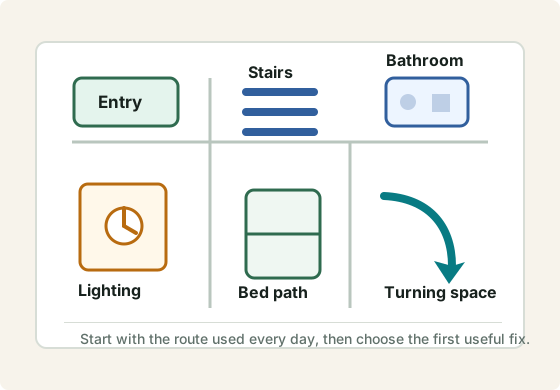
Entry, stairs, bedroom path, bathroom, kitchen, and lighting.
Wide room view, close-up of the friction point, and measurement context.
Urgent safe access first, durable upgrades second, optional polish last.
This guide is a planning checklist, not medical advice or a fall-prevention guarantee. Ask a health professional when fall risk relates to health, medication, balance, surgery, or mobility changes.
Do the no-regret fixes first
Clear objects from stairs and floors, move cords out of walkways, improve lighting, and keep frequently used items within practical reach when that can be done safely.
Mark fixes that need a provider
Handrails, grab bars, electrical changes, threshold ramps, stairlifts, shower conversion, flooring changes, and exterior ramp work may need a qualified installer or contractor.
Keep medical and home questions separate
A home modification can reduce a hazard, but it does not diagnose balance, medication, vision, strength, or transfer ability. Use Placiva for scope questions, then involve qualified professionals for clinical decisions.
Fall-prevention scope map
| Option | Fits when | Watch for |
|---|---|---|
| Clear-path fixes | Clutter, cords, rugs, furniture, and storage are the main hazards. | Make sure fixes do not create a new trip point or block assistive devices. |
| Lighting and visibility | Falls are more likely during night routes, stairs, and entry use. | Electrical work, switch placement, glare, and whether lighting reaches the whole route. |
| Bathroom support | The person reaches, slips, or needs help at the toilet, shower, or tub. | Wall anchoring, wet-area access, drainage, seat fit, and whether a remodel is really needed. |
| Stairs and entry access | Steps, porch transitions, or stairways block daily use. | Handrail length, rise, landing space, ramp feasibility, stairlift fit, and local requirements. |
Fall-risk details worth collecting
Rugs, cords, clutter, uneven steps, loose carpet, thresholds, and furniture pinch points.
Bedroom to bathroom, stairs at night, entry lighting, and switches that are hard to reach.
Handrails, grab bars, toilet support, shower entry, seating, and places where a person reaches for furniture.
Before you request quotes
- Photograph each stairway from top and bottom.
- Photograph bathroom entry, toilet area, shower or tub, floor, and lighting.
- Write down when the route is used: daytime, night, urgent bathroom trip, discharge recovery, or daily exit.
- Separate household fixes from work that needs an installer, electrician, plumber, remodeler, or clinician.
Common questions
Can home modifications prevent all senior falls?
No. They can reduce some environmental hazards, but fall risk can also involve health, medication, vision, strength, balance, footwear, and behavior.
Which room should I check first?
Start with the route used most often and the room where help is already needed. For many families that means bathroom, bedroom-to-bathroom path, stairs, or the main entry.
When should I call a professional?
Call a qualified provider when the fix involves anchoring support, wiring, plumbing, structural work, ramps, stairlifts, flooring, permits, or uncertainty about safe installation.
What should I ask in the first provider call?
Ask what photos and measurements they need, what is included, what usually changes cost, and whether your situation requires a specialist or medical input before installation.
Ask questions that expose the quote shape
These questions help you compare answers without relying on memory after several calls.
- What is included in the first written scope, and what commonly becomes extra after inspection?
- Which details do you need from photos or measurements before deciding whether this is a fit?
- Who performs the work, who supervises it, and who handles service or warranty questions later?
- What would make this project slower, more expensive, or inappropriate for this home?
Sources checked
What this page cannot decide for you
- A planning guide cannot inspect the home, confirm local code, verify provider quality, or judge medical suitability.
- Treat cost ranges and decision tables as preparation tools, not final prices or professional advice.
- Before hiring, verify licenses, insurance, permits, contracts, warranty terms, and local requirements with the provider or authority that applies to the actual scope.